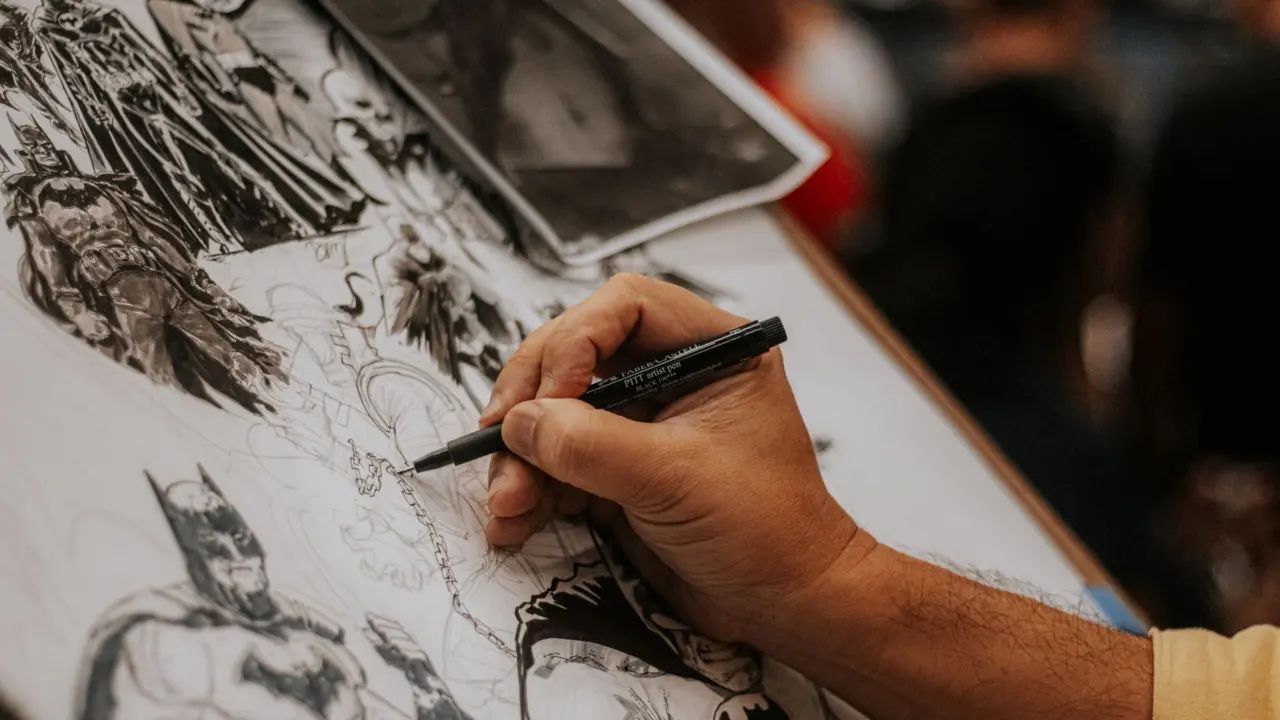
How does a comic book studio work? A small studio turns an outlined story into a script, pencilled and inked pages, color and lettering, then prints and sells the finished book. The first decision is who draws, since that shapes budget and schedule.
The sections below follow that order. Cost and timing questions link out to dedicated guides, such as how much does it cost to make a comic book, so this page can stay on the workflow itself.
Start with the decisions that shape everything else
A comic book studio is a working arrangement, not a building. It can be one person at a desk or a handful of collaborators who share a story, a schedule and a publishing plan. What separates a studio from a hobby is that every stage has an owner and a handoff, from script to files that go to print.
Four choices decide most of what follows. Settle them in this order, because each one narrows the next.
- Who draws the pages. A creator who writes and draws alone controls the whole look and the pace, but carries every stage. A writer who hires an artist trades budget for speed and a second creative voice. The guide on how to find a comic artist covers the search and the working agreement.
- What format the book takes. Page proportions are fixed before the first panel is drawn, because art made for one size has to be reworked to fit another. The print section below sets out the common sizes.
- How the book will be printed. A small run and a large run call for different printing methods with different upfront costs.
- Where the book will be sold. Printed copies, digital files and convention tables each need different preparation.
Readers who already have a finished script can skip to the team and production sections. Readers who only have an idea should begin with the planning stage, since a clear story saves more time than any tool or technique later on.
How a small comics studio works from idea to script
A small comics studio works as a pipeline in which each stage hands finished material to the next. Planning comes first and costs the least, so mistakes caught here are cheap to fix.
Spines, a self-publishing platform, advises starting by outlining the beginning, middle and end of the story. That advice suits studios of any size. An outline shows whether the story fits the page count the team can afford, and it gives an artist something to react to before a single page is drawn.
Outline, script and dialogue
The outline becomes a script that describes each page and panel and carries the dialogue. The same Spines guide says dialogue should be natural, concise and true to each character’s voice. That standard has a practical side: lettering takes up space on the page, so short, clear lines leave the artwork room to work. Writers who want a page-by-page method can follow the guide on how to write a comic book script.
Characters and thumbnails
Before pages are drawn, the team settles who the characters are and how they look, because the artist will draw them many times and consistency matters. The guide on how to create a comic book character covers that groundwork. Next come thumbnails: small, rough sketches of each page that test pacing and panel layout against the script.
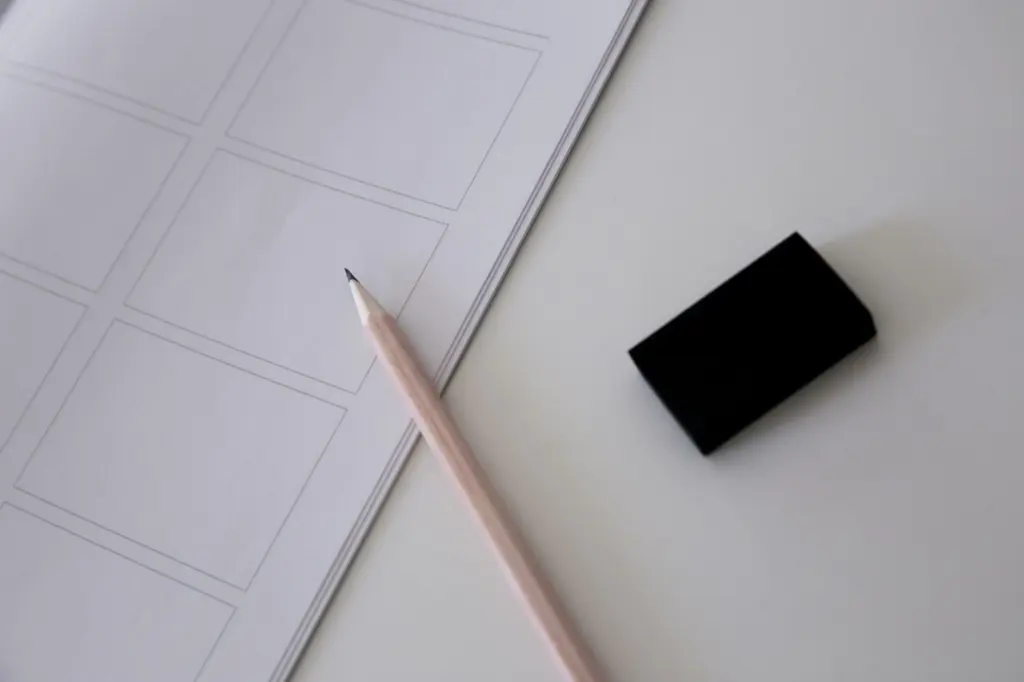
Thumbnails are also where a writer and artist find out whether a script asks too much of a single page. Cutting a crowded panel at this stage costs minutes. Cutting it after inking costs days of redrawn work.
Original story or an existing world
Some studios build their own worlds, and others take inspiration from familiar genres. Games are a common source of mood and setting, and the overview of comics based on video games shows how that influence reaches the page. A studio planning its own book should treat that kind of reading as research into pacing and tone rather than a template to copy.
Roles on a comic book creative team
A creative team splits the work between people who build the story and people who draw it. Spines describes the basic division: writers lay the groundwork with a script, while artists bring the narrative to life with their visual interpretations. Everything else in a studio is a refinement of that split.
Writer
The writer owns the story, the script and the dialogue. In a small studio the writer often also acts as project manager, because the script is the document everyone else works from. A writer who is also the publisher keeps the schedule and decides when a draft is finished.
Penciller
A penciller draws the pages in pencil from the script and thumbnails, setting the panel layouts, figures, expressions and storytelling flow. This role matters most to the finished look, since later stages build on those drawings. Spines notes that effective collaboration involves continuous communication and feedback, ensuring the vision of the comic book is cohesively realized. In practice that means the writer and penciller review pages as they arrive rather than waiting for a full set. Corrections made on pencils are far cheaper than corrections made on finished art.
Inker, colorist and letterer
The pencilled pages then pass through finishing stages. Inking fixes the line work, color sets mood and separates figures from backgrounds, and lettering places the dialogue and sound effects. One person can hold several of these jobs. Splitting them makes sense when a creator has a clear weakness or when the schedule demands parallel work. Bundling them makes sense when a single consistent hand matters more than speed.
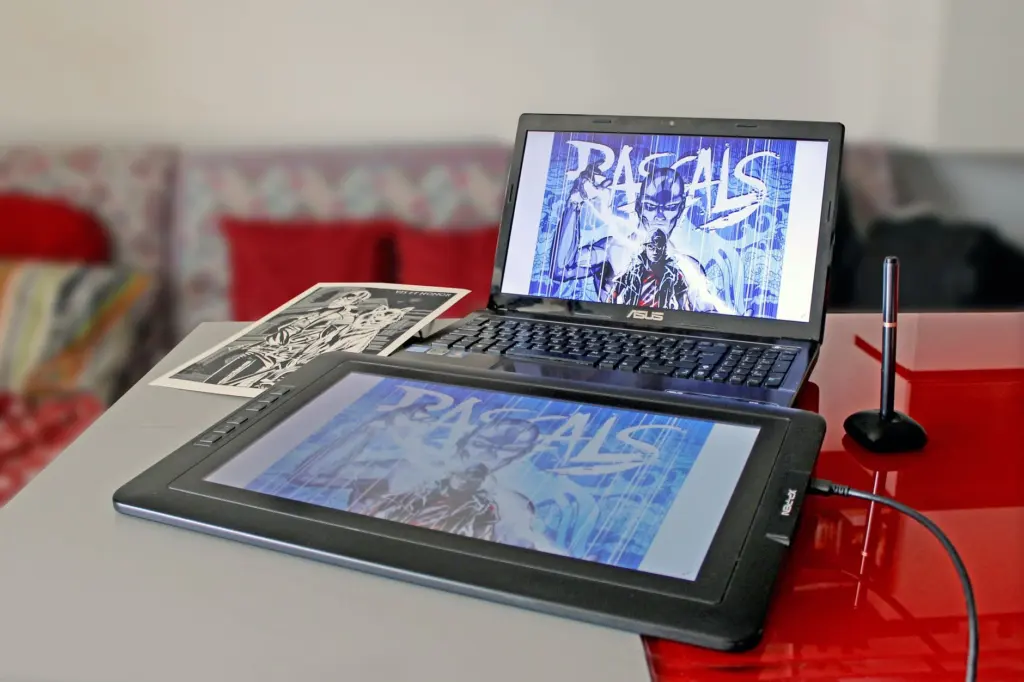
Digital coloring is now a common route for small teams because files stay editable until the last moment. The walkthrough on how to color comics digitally covers flats, shading and file preparation. Software choices affect every role, and the roundup of the best software for making comics compares the main options.
Lettering as its own craft
Lettering is easy to underestimate. Balloons, captions and sound effects control reading order, so poor placement can confuse a page that is otherwise well drawn. Some studios letter by hand and others on screen, and the guide on how to letter a comic explains both.

Choosing who fills which role
- Solo creator. Suits a short project where one consistent style matters more than speed, and where the creator can accept a slower schedule.
- Writer plus artist. Suits a writer with a finished script and a budget, or a pair who split the work by agreement. Clear communication matters more here than any particular tool.
- Larger team with separate finishing roles. Suits a longer book or a regular series where stages must overlap. Each added person adds a handoff, and handoffs need clear file standards.
Page rates and typical fees for these roles vary widely by experience and by deal structure. The dedicated page on comic book page rates and costs deals with them, and quoting a single figure here would mislead.
Production craft: pages, backgrounds and covers
Once the team is fixed, production is a repeating cycle of pencils, inks, color and letters for every page. Consistency across that cycle separates a studio book from a pile of good drawings.
Backgrounds are a frequent sticking point, because they set the world and anchor the characters in space. The guide on how to draw comic backgrounds covers perspective and reference gathering. Studios that skip backgrounds to save time usually find that the pages feel empty, so it is better to simplify them deliberately than to drop them.
Covers deserve separate planning. A cover is what a buyer sees first, on a convention table or on a screen, and it often needs its own layout, since it has to work as a standalone image and carry the title. The walkthrough on how to make a comic book cover covers composition and the practical details of fitting a cover to the finished book.
The schedule for all of this depends on page count, team size and how many stages overlap. For planning purposes, the guide on how long does it take to make a comic book treats the timeline in detail. A realistic schedule should be built before the print route is chosen, because print deadlines often fix the end date.
Page sizes and print specifications
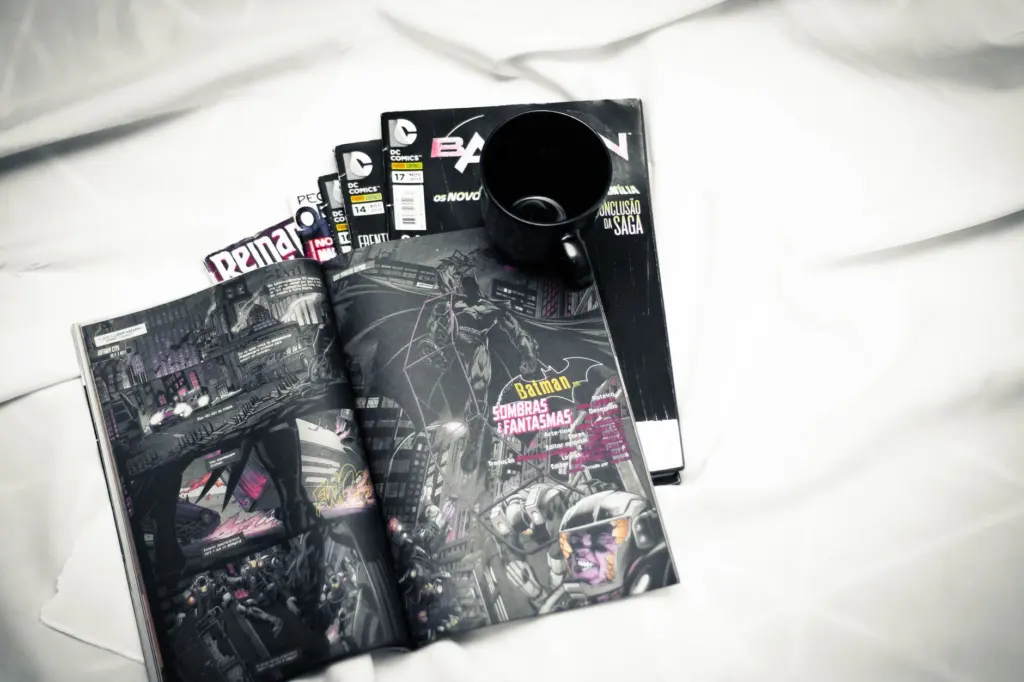
Page size is the first print decision, and it should be made before the art is drawn. Turner Book Writers lists three common formats in its guide to comic book printing for indie creators, and the table puts them side by side with the file and paper settings that go with them.

| Specification | Value | Planning use |
|---|---|---|
| Standard American size | 6.625″ x 10.25″ | The industry standard used by Marvel and DC; the safest choice for a book meant to sit alongside mainstream comics. |
| Manga size | 5″ x 7.5″ | A smaller format often used for black-and-white comics; suits a compact, text-light book. |
| European album size | 8.4″ x 11.6″ | Larger, and commonly used in European graphic novels; suits detailed art that benefits from space. |
| Print color format | CMYK (cyan, magenta, yellow, black) | Convert color files to this format for print, since screen color can shift when it is converted. |
| Print resolution | 300 DPI | The industry standard for crisp, professional-looking prints; set the canvas to this from the start. |
| Cover stock | 80-100 lb cardstock | Heavier stock gives a professional feel and durability. |
| Interior pages | 50-60 lb newsprint-style to 70-100 lb glossy | Newsprint-style stock gives a classic feel, and glossy stock shows color and detail more sharply. |
These figures come from Turner Book Writers’ printing guide; individual printers publish their own templates, so check the chosen printer’s sheet before finalizing files.
Turning the specifications into decisions
For a first book, the standard American size is the least risky choice because it matches the format readers and comic shops expect. The manga size fits a black-and-white project where printing in color would be a needless expense. The European album size fits art-heavy books, though the larger pages mean more drawing area per page for the artist.
The file settings are not negotiable in the same way. Building the canvas at print resolution from the first page avoids having to upscale artwork later, and working in or converting to CMYK avoids unpleasant surprises when screen colors meet ink. Paper is more flexible. A newsprint-style interior suits a pulp feel and a tighter budget, and a glossy interior suits color-heavy art.
Choosing a printing route and what it costs
The cost of printing an indie comic depends mainly on the print run and the method. Printers quote by the copy, and the method decides whether the cost sits mostly in setup or in each unit. For a full budget across every stage, see the guide on how much it costs to make a comic book; for the printing step, the guide on how to print a comic book goes further.
Turner Book Writers sets out the trade-off between the two main methods in its comic printing guide. Digital printing is affordable for small print runs and is ideal for indie creators printing under 500 copies. It also has a fast turnaround, because it needs minimal setup. Offset printing requires a significant upfront cost, which makes it less ideal for creators with a small budget, but once the setup is done, large print runs are much cheaper.
- Choose digital printing for a first issue, a test of demand or any run under 500 copies. The low setup cost limits the money at risk, and the quick turnaround helps when a convention date is fixed.
- Choose offset printing only when sales history or advance orders justify a large run, because the savings per copy appear only after the upfront cost is covered.
- Choose print on demand when holding stock is a problem. Turner Book Writers notes that services like Lulu and IngramSpark let creators sell physical copies without upfront inventory.
One check applies to every route. The same guide advises requesting a sample print to check paper quality and color accuracy. A sample shows how color and line weight reproduce before the entire run is committed, and it is the cheapest insurance a small studio can buy.
Self-publishing and selling the finished book
To self-publish a comic book, a creator finishes the files, picks a print or digital route and sells the book directly to readers. Spines describes the main attraction: unparalleled creative control, so creators decide stories, characters and style without editorial demands. The same guide adds that, by eliminating the middlemen, creators can retain a larger share of the profits from their sales. The full process is covered in the guide on how to self publish a comic book.
Print and digital sales channels
Print and digital routes can run side by side. Turner Book Writers lists PDFs sold on Amazon Kindle, ComiXology or a creator’s own website as a digital option, alongside print-on-demand services for physical copies. A studio that wants to release a screen-first edition should read the guide on how to make a digital comic book, since reading on a screen changes how pages and panels are laid out.
Books aimed at readers in other languages need translation and lettering changes as well as new files. The guide on how to translate a comic explains why lettering should be planned with that in mind from the start.
Funding and finding readers
Money is the other half of publishing. Turner Book Writers notes that platforms like Kickstarter help finance production while building a fan base. That makes crowdfunding useful for a studio that cannot cover printing from savings, since it measures demand before the print order is placed.
Comic conventions and local shops
A comic convention puts a creator’s book in front of readers who can pick it up and talk to the maker. Turner Book Writers advises creators to network with store owners and attend comic cons to gain exposure, and Spines lists social media, conventions and personal websites as ways to engage directly with an audience. A convention table suits a studio with printed stock in hand, a clear cover and a short pitch. Online channels suit a studio still building a following. Most studios use both, with each feeding the other.
When to choose each studio setup
The pieces above combine into a few workable setups. The right one depends on budget, skill and the book’s goals, and none is better in every case.
- Solo studio, digital print. Suits a creator who draws, letters and colors alone and wants to test an audience cheaply. Keep the page count modest and the first run small.
- Writer and artist partnership, crowdfunded print. Suits a pair with a finished script who need funds to cover the artist and the printer. Crowdfunding measures demand before the order, and the partners should agree on payment terms before drawing starts.
- Small team, mixed print and digital release. Suits a studio planning a series. Separate finishing roles keep the schedule moving, and a screen edition widens the audience while print copies serve conventions.
- Offset print run. Suits only a studio with proven demand and the funds to cover setup. For everyone else, it is a later step rather than a starting point.
Wait before committing to a large print order if the book has no sample print, no schedule or no clear sales channel. Each of these gaps is cheaper to close before printing than after.
Frequently asked questions
How does a small comics studio work day to day?
A small studio runs the pipeline in order: outline, script, thumbnails, pencils, inks, color, lettering, then print files. Each person owns a stage, and Spines says continuous communication and feedback keep the vision cohesive. Many tasks are shared in a team of only a few people.
What roles are on a comic book creative team?
At its core, a team has writers who script and artists who visualize the story, as Spines describes. Larger teams add a penciller, inker, colorist and letterer for the finishing stages. One person can hold several roles.
How do you self-publish a comic book?
Finish the story and artwork, choose a print or digital route, and sell directly to readers. Turner Book Writers lists print-on-demand services, PDF sales and crowdfunding as common ways to do this without large upfront stock. Spines adds that creators keep creative control and a larger share of profits.
How much does it cost to print an indie comic?
The cost depends on print run and method. Digital printing suits runs under 500 copies with low setup, while offset printing has a significant upfront cost but gets much cheaper per copy on large runs, according to Turner Book Writers. Ask printers for a quote and a sample print for the chosen size and paper.
Which comic page size should a first book use?
The standard American size suits most first books because it is the industry standard used by Marvel and DC. Choose the manga size for compact black-and-white books and the European album size for art-heavy graphic novels.