How to self publish a comic book: proofread the finished pages, pick print on demand, eBook or both, set up a sales route, price against similar comics, and start promoting before release.
Creators who want the wider picture of how comics get made can start with how does a comic book studio work, then return here for the release roadmap.
Starting with finished pages and a release plan
A first-time self-publisher usually reaches the end of the drawing stage with a stack of pages and no clear idea of what happens next. The answer is to treat release as a sequence of decisions rather than one big task.
Gatekeeper Press notes that the self-publishing route allows full creative control every step of the way. The same guide describes comic publishing as a collaborative effort that involves writing, drawing and various professional services. Its creation path runs through eight steps, from concept to promotion. Finished pages therefore sit near the end of that path, and the release decisions below pick up from there.
- Settle the format: print on demand, eBook or both.
- Arrange a printer for any physical copies.
- Choose where readers will buy, such as an online page, local shops or convention tables.
- Set a price by checking comparable comics.
- Begin promotion ahead of the release date.
Print, digital or both: comparing the routes
Gatekeeper Press says a comic is published and distributed as an eBook and/or a print on demand option, so choosing both is a normal outcome. Digital suits creators who want pages online quickly. Print suits creators who plan to sell in person or place copies in shops. Releasing both lets one set of finished pages serve both kinds of reader.
| Route | What the guides describe | Planning use |
|---|---|---|
| Print on demand | A physical edition made through a printer that can digitally print the comic | Suits creators who want physical copies without committing to a large stock |
| eBook | A digital edition published and distributed alongside or instead of print | Suits readers who prefer screens and creators who want an online release |
| Own website or linked retailer | Direct online sales through a personal site or by linking to online retailers | Gives the creator a home page for the comic that every other channel can point to |
| Local comic store | Shelf space that stores usually give on consignment | Works for creators who can visit shops and accept payment only after a sale |
| Convention table | In-person marketing and selling at conventions and group meet-ups | Suits creators who want direct contact with readers |
The routes above are drawn from the Gatekeeper Press self-publishing steps and the Dazzle Printing self-publishing guide.
Print on demand is the safer starting point for a debut. The physical copies exist, but a mistake in the files does not leave a large pile of unsold stock. Digital-only release suits a creator who wants to test an audience first.
Preparing the print edition
Dazzle Printing advises partnering with a printer who can digitally print a comic book, and using that printer for the first print run. A digital printer is the practical match for a self-publisher because the process fits the print-on-demand approach described above. Creators who want the production side in more detail can read how to print a comic book.
Binding is one of the first choices the printer will ask about. Dazzle Printing says many comics are bound with saddle stitch binding, which uses strong stitches (staples). This is the traditional comic look, and it is a sensible default for a standard-format issue.
Pricing the finished book
Price is easier to settle once the format is known. Dazzle Printing recommends noting what popular comics sell for, so the self-published price sits in line with comparable titles in the same genre. That rule works across print and digital listings, and it also applies to genre projects such as comics based on video games, where readers already have a sense of what a comparable book costs.
Selling online: your own site or linked retailers
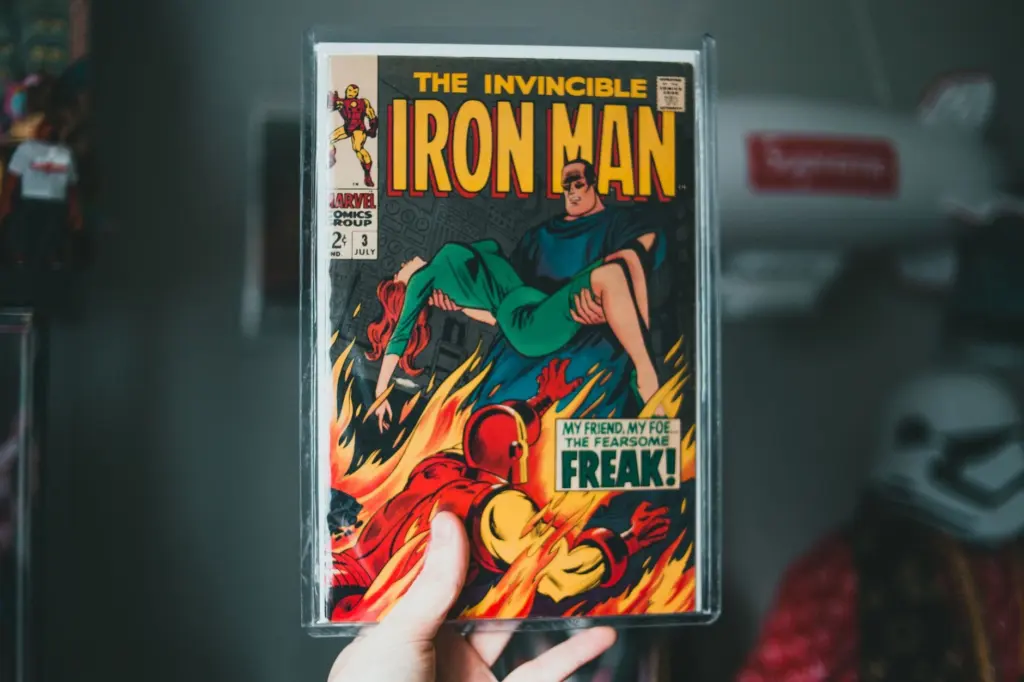
Dazzle Printing describes two online options: selling the book directly through your own website, or linking it to online retailers. A digital storefront listing is the central page of that setup. It holds the cover, description and buying link, and every flyer, post or convention card can point to it.

Direct sales through a personal site keep the creator in charge of the page, which matches the full creative control that Gatekeeper Press attributes to self-publishing. Linking to an existing online retailer suits creators who prefer not to manage a shop themselves.
Getting into stores and onto convention tables
Local comic stores sometimes agree to offer authors shelf space, but Dazzle Printing says they usually take comics on consignment rather than buying outright. In practice, the creator deals with the shop directly instead of through a distributor, and gets paid only when a copy sells. That route suits creators with a local shop to visit and no need for immediate payment.
The same guide calls conventions and other group meet-ups excellent places to market a book and sell comic book content. A convention table puts the creator face to face with readers, and it works as both a sales point and a promotion event.

Promotion and direct order fulfilment
Gatekeeper Press states that promoting a comic begins before publication. A creator who waits for release day to start has missed the stretch when interest can be built. Direct online orders also bring a practical job: packing and posting each copy.
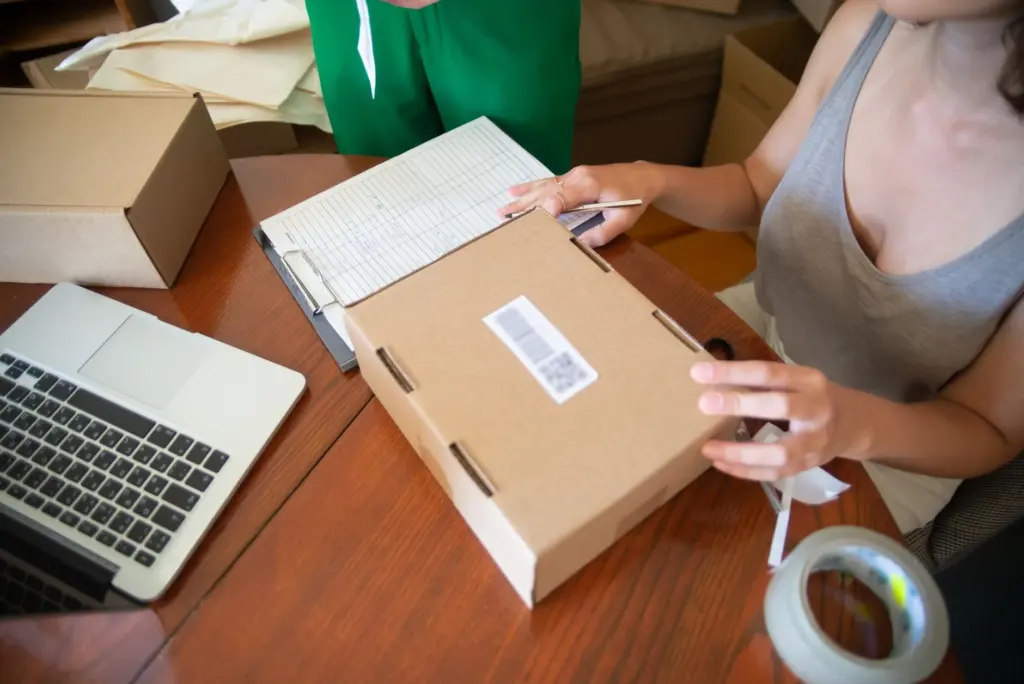
Printed flyers connect the in-person and online routes. Dazzle Printing suggests adding a QR code that links directly to social media, or to an author or book website, so a reader holding a flyer can reach the sales page immediately.
When the release stalls
- Shops will not buy stock outright. Offer consignment, which is the arrangement local stores usually take, and keep an online listing running alongside it.
- Printing feels like too big a commitment. Choose print on demand or an eBook first, and add physical copies once the pages have proven themselves.
- The price feels like a guess. Compare it against popular comics in the same genre rather than setting it in isolation.
- No one knows the comic exists. Move promotion earlier, since it begins before publication, and put a QR code on every flyer.
Frequently asked questions
| Question | Answer |
|---|---|
| Who catches typos before release? | Gatekeeper Press says that after any refinements are made, a line editor does the final proofreading to catch typos. |
| What happens to money when a store sells a consigned comic? | Dazzle Printing says the profits from a consigned book are set aside for the author. |
| How can a printed flyer lead to an online sales page? | A QR code on the flyer can link directly to social media or to an author or book website. |
| How is a comic storyboarded? | Storyboarding can be done by hand or with a digital template, according to Dazzle Printing. |